May 12, 2026
Buying fine jewelry is exciting because each piece can reflect personal taste, celebrate a milestone, or become part of a lasting collection. However, beauty alone should not be the only factor guiding a purchase. A necklace, ring, bracelet, or pair of earrings may look impressive at first glance, but its true worth depends on craftsmanship, materials, condition, fit, and long-term usefulness. When buyers understand what to look for, they can make choices that feel meaningful without overlooking practical value.
The best approach is to buy jewelry with both emotion and strategy in mind. A piece should feel special enough to wear, gift, or preserve, while also being evaluated carefully enough to justify the cost. By comparing quality, asking informed questions, and considering how the jewelry will be used, shoppers can choose items that hold appeal well beyond the moment of purchase.
Understanding Personal Style
One of the first steps in choosing jewelry is identifying the style, shape, and purpose that make sense for the wearer. Some people prefer delicate everyday pieces, while others gravitate toward bold designs that stand out during formal events. A purchase has more value when it complements real habits, wardrobes, and preferences instead of simply following a passing trend.
Before deciding to buy jewelry, shoppers should think about how often the piece will be worn. A ring intended for daily use should feel comfortable and durable, while a statement necklace may be selected more for visual impact. Lifestyle matters as well. Someone who works with their hands may prefer lower-profile settings, stronger metals, or pieces that can handle frequent wear with less maintenance.
Personal style also includes metal tone, gemstone color, size, and overall design. Yellow gold can feel warm and traditional, while white gold or platinum may appeal to someone who prefers a cooler, more modern look. When style choices align with the wearer’s personality, the jewelry is more likely to be enjoyed for years.
Comparing Materials and Craftsmanship
Materials play a major role in both beauty and value. Gold, platinum, silver, diamonds, and colored gemstones all have qualities that influence appearance, durability, and price. However, two pieces made from similar materials can differ greatly based on how they are designed, finished, and maintained. That is why craftsmanship should be evaluated alongside material type.
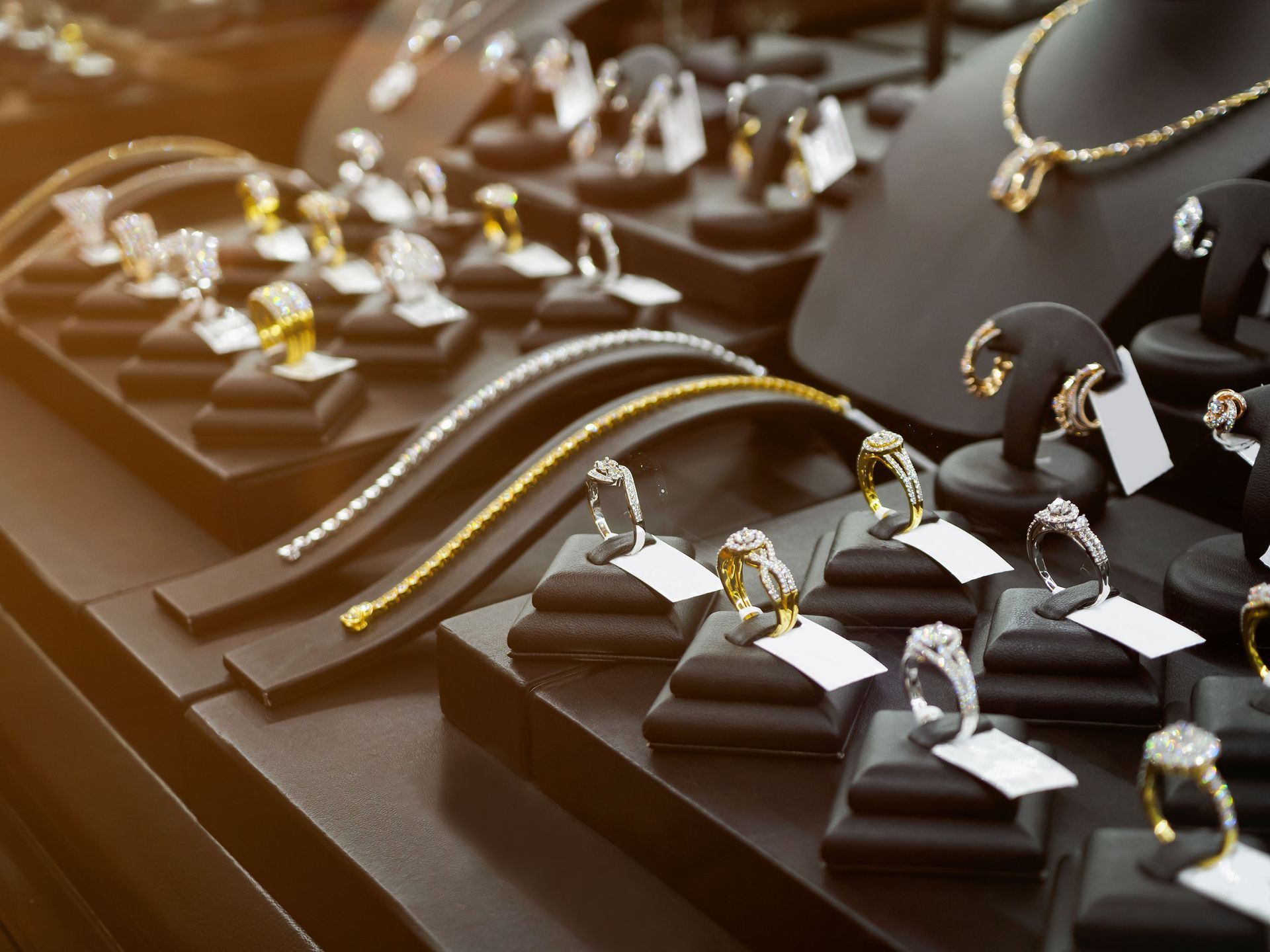
When shoppers buy jewelry, they should look closely at the construction of each piece. Clasps should open and close securely, prongs should hold stones firmly, and settings should feel balanced rather than flimsy. Smooth edges, even finishes, and consistent detailing often point to better workmanship.
Metal purity is another important detail. Gold jewelry is commonly marked by karat, such as 10K, 14K, or 18K, with higher karat numbers indicating a greater percentage of gold. Platinum is often valued for its strength and density, while sterling silver can offer beauty at a lower price point. Each material has advantages, so the best choice depends on budget, wear expectations, and the desired look.
Reviewing Gemstone Quality
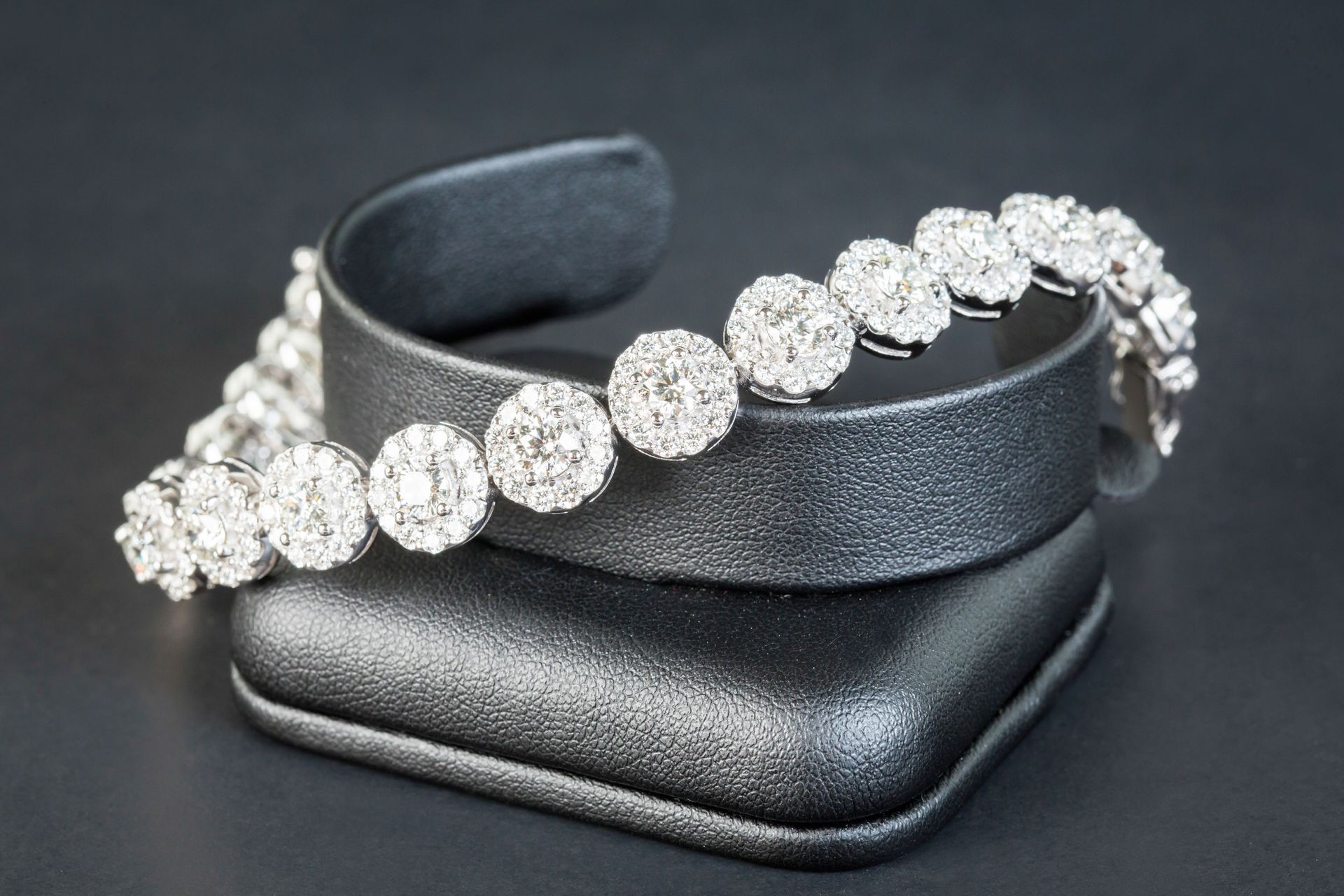
Gemstones add color, brilliance, and individuality, but they also require careful review. Diamonds are often evaluated by cut, color, clarity, and carat weight, while colored gemstones may be judged by hue, saturation, tone, transparency, and origin. A larger stone is not always more valuable if its quality, setting, or condition is weak.
For anyone with plans to buy jewelry with gemstones should ask about treatments, durability, and care requirements. Many gemstones are treated to improve color or clarity, and those treatments can affect both value and maintenance. Others, such as opals, emeralds, or pearls, may require gentler handling.
Lighting can also change the way gemstones appear. A stone that looks vibrant under display lighting may appear different in natural light or everyday indoor settings. Viewing jewelry from multiple angles and under different conditions can help buyers make a more accurate decision. For higher-value purchases, an appraisal or professional evaluation can provide additional clarity.
Evaluating Long-Term Value
Value is not limited to price. It also includes condition, rarity, design quality, sentimental meaning, and the likelihood that the piece will remain desirable over time. Fine jewelry can be deeply personal, but it is still worth approaching the purchase with practical expectations. A low price is not necessarily a good value if the piece needs expensive repairs or will rarely be worn.
Market interest also shows how strongly jewelry continues to matter to shoppers. According to Capital One Shopping, shoppers budgeted the most for Valentine’s jewelry in 2024, with total spending reaching $6.4 billion. This level of spending reflects how meaningful jewelry remains for major occasions, but it also highlights why buyers should make thoughtful decisions before investing in a piece.
When people buy jewelry, they should compare similar pieces before committing. Differences in metal weight, stone quality, brand reputation, age, and condition can explain price variations. Estate jewelry may offer distinctive design and craftsmanship that is difficult to find in new pieces, while newly made jewelry can offer customization and modern settings. The right choice depends on whether the buyer values history, personalization, investment potential, or everyday value the most.
Planning Purchases Around Meaningful Occasions
Jewelry is often connected to important life moments, including engagements, anniversaries, graduations, birthdays, holidays, and personal achievements. A well-chosen piece can become a reminder of a specific season or relationship. Because of that emotional weight, buyers should allow enough time to compare options rather than rushing into a decision.
It is especially helpful to buy jewelry with the recipient’s preferences in mind. A gift should reflect the wearer rather than only the giver’s taste. Observing what someone already wears can reveal useful details, such as preferred metal color, stone size, necklace length, or ring style. If the piece is intended as a surprise, those clues can prevent the purchase from feeling disconnected from the recipient’s style.
Budget planning also matters. Setting a realistic range before shopping can reduce pressure and make comparisons easier. Buyers do not need to choose the most expensive option to make a meaningful impression. A carefully selected piece with quality materials and personal relevance can feel far more valuable than a costly item chosen without much thought.
Protecting Your Investment Over Time
After a purchase is made, proper care helps preserve both appearance and value. Jewelry should be cleaned according to its materials, stored separately to prevent scratching, and inspected regularly for loose stones, worn prongs, or weakened clasps. Preventive maintenance can reduce the risk of damage and extend the life of a cherished piece.
Professional appraisals can also be useful, especially for estate jewelry, diamond pieces, heirlooms, or items with significant value. An appraisal may support insurance coverage, resale planning, estate organization, or personal archives. It can also help owners understand exactly what they have, including details about materials, stones, design, and condition.
People who buy jewelry should also consider when not to wear certain pieces. Swimming, exercising, cleaning, or doing heavy work can expose jewelry to chemicals, impact, and unnecessary strain. Even durable pieces benefit from careful handling. With the right storage, cleaning, and inspections, jewelry can remain beautiful while continuing to hold personal and practical worth.
Balancing beauty and value requires patience, awareness, and guidance. Shoppers should look beyond first impressions and consider style, materials, gemstones, craftsmanship, condition, and long-term care. A piece that looks beautiful, fits the wearer’s life, and is supported by sound evaluation can offer lasting satisfaction. Call Estate Jewelers Ltd today to schedule your jewelry consultation or appraisal.